Published on 5 November, 2017.
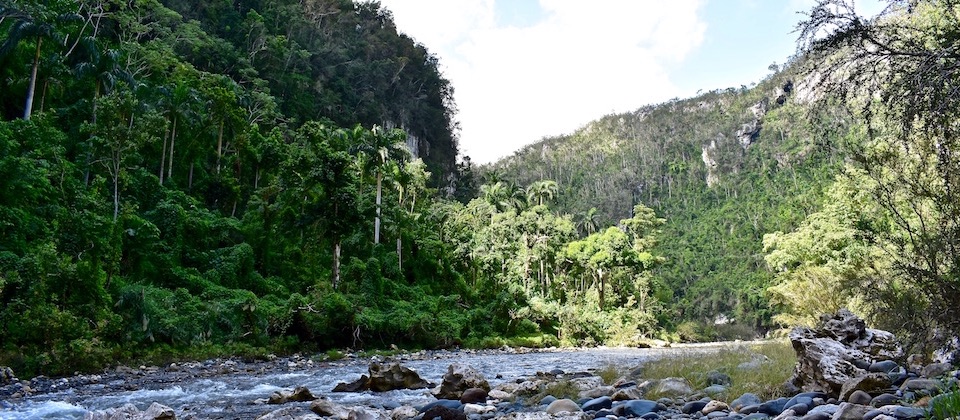
The Yumuri Canyon has always been a popular excursion for travellers who come to Baracoa. That said, many visitors only explore the area near the mouth of the canyon. Only a few ones make it to the Belete Waterfalls (sometimes called Velete Waterfalls).
Indeed, with a total surface of 911 hectares, the Yumuri Canyon Protected Area offers visitors everything from amazing lookout points, a brief boat ride on the river, bathing in emerald natural pools, birdwatching, flora-focused excursions…
And for the more adventurous hikers, a 7 km (4.35 miles) trail to the Belete waterfalls!
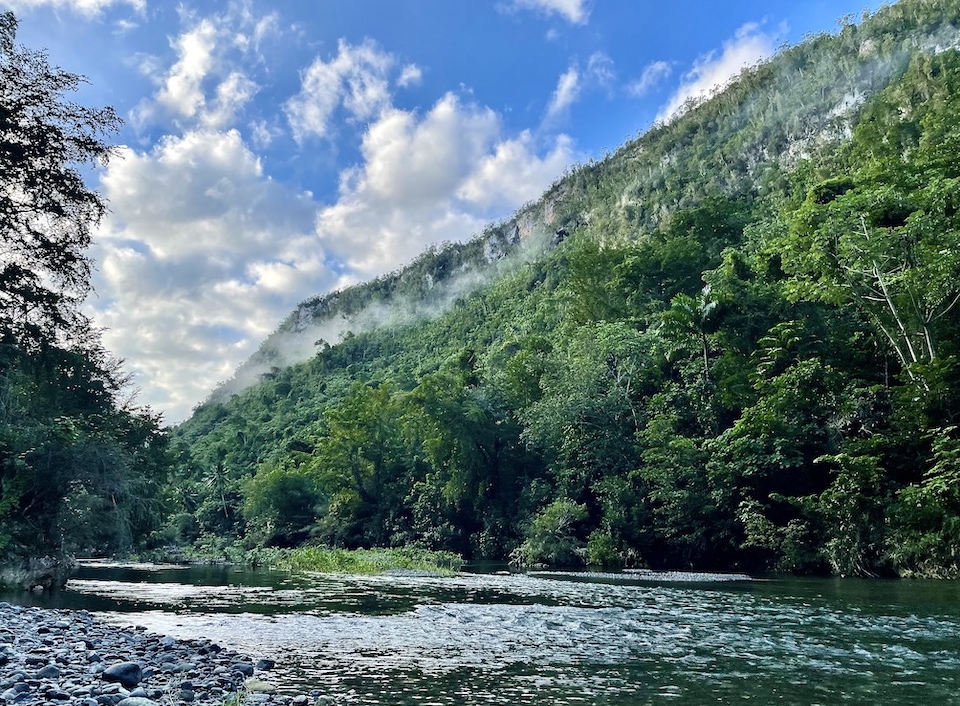
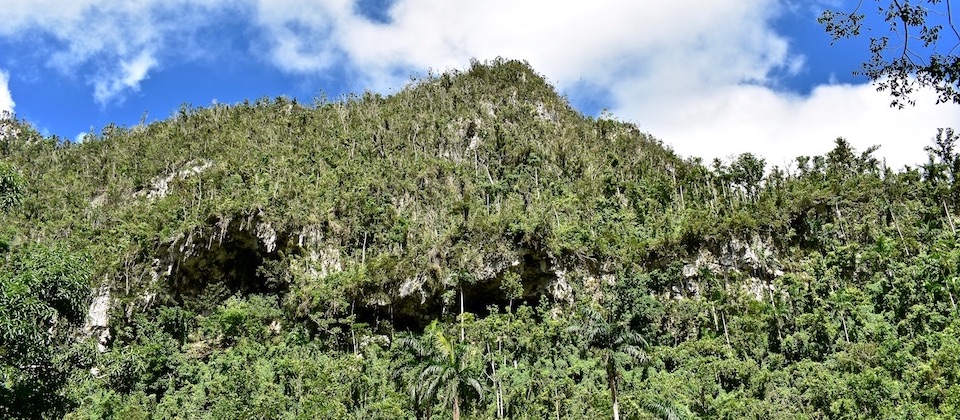
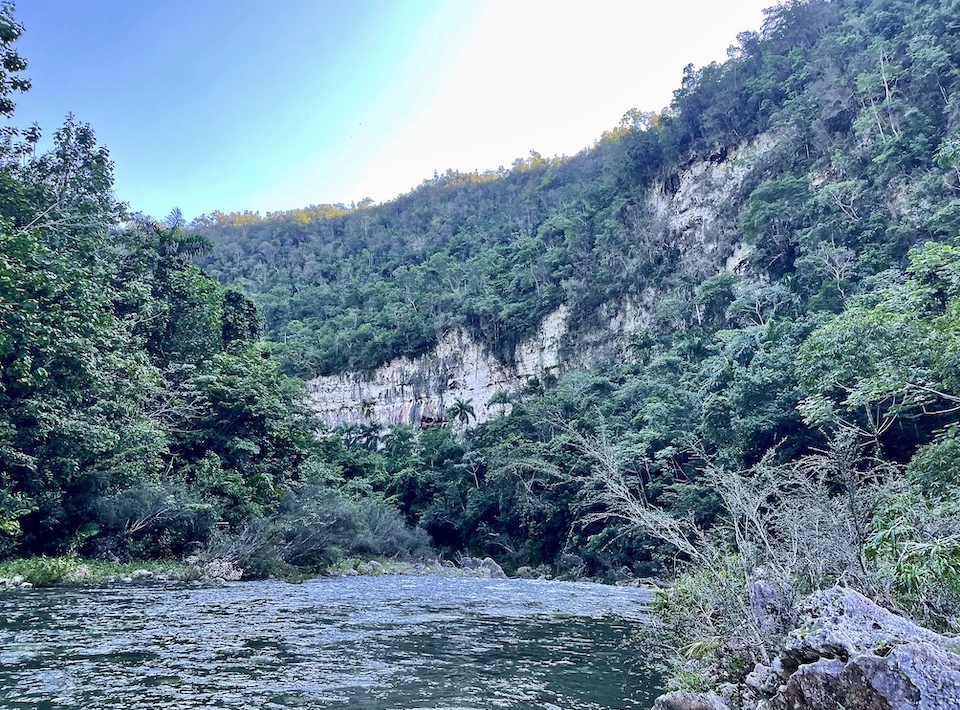
No matter what option you choose, you can count on beautiful scenery and tropical karst rainforest between cliffs that can reach 306 meters (roughly 1,000 ft) high.
[N.B.: this post was updated on May 18th, 2026.]
Boca de Yumuri – At the Mouth of the Canyon
Travellers short of time or on a packed itinerary for the day usually make a brief stop at the Boca de Yumuri community. From here, a bridge above the river offers you a first glance at the beautiful mouth of the canyon.
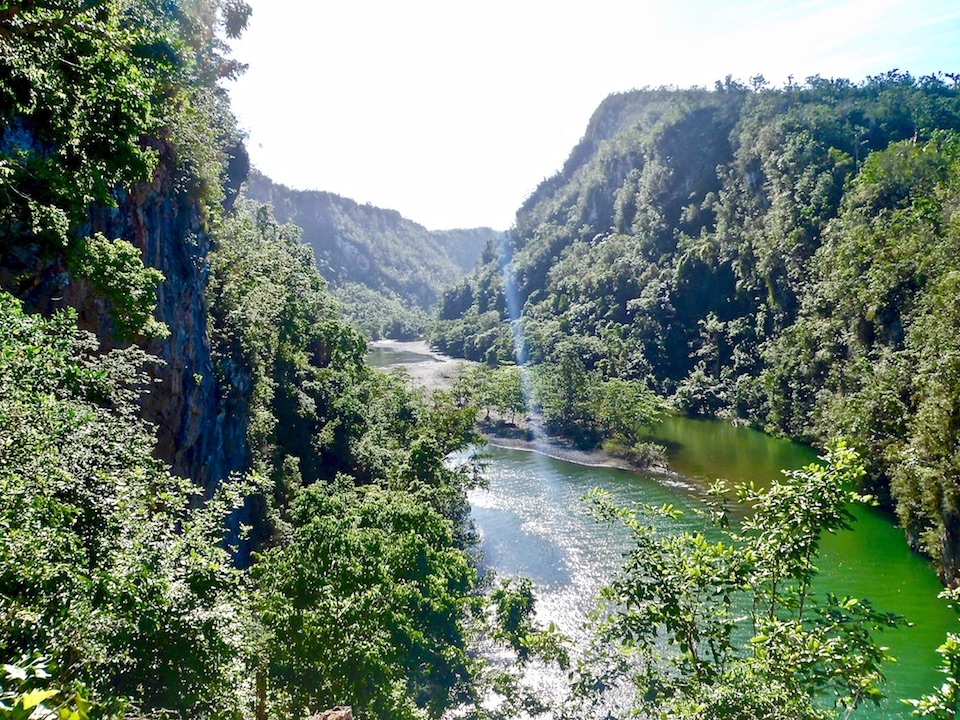
Now, you can cross the bridge and make a turn to the right, and then take the steep, older winding road known as La Boruga. After only some 150 meters (about 500 ft) you’ll find a family home. Across the street from this house is the classic, not-to-be-missed lookout point folks call El Mirador de Yumurí.
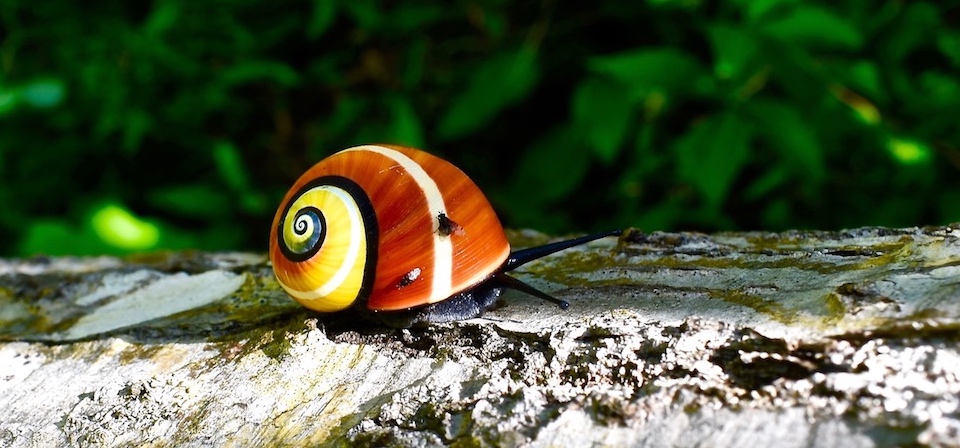
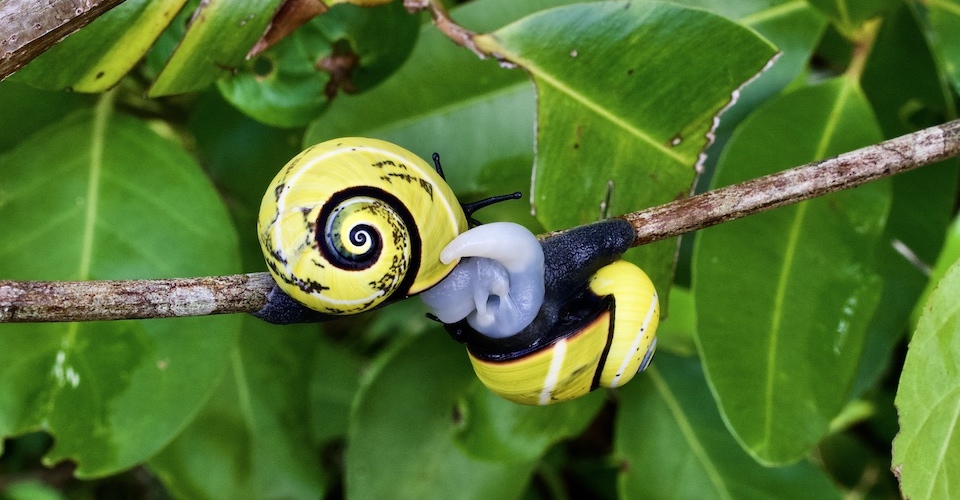
Before you make your way back to the entrance of the protected area, we recommend that you visit the tall mango tree right by the family house across the mirador (ask the family for permission). There you will discover one of the most beautiful tree snail species in the world – the Polymita picta.
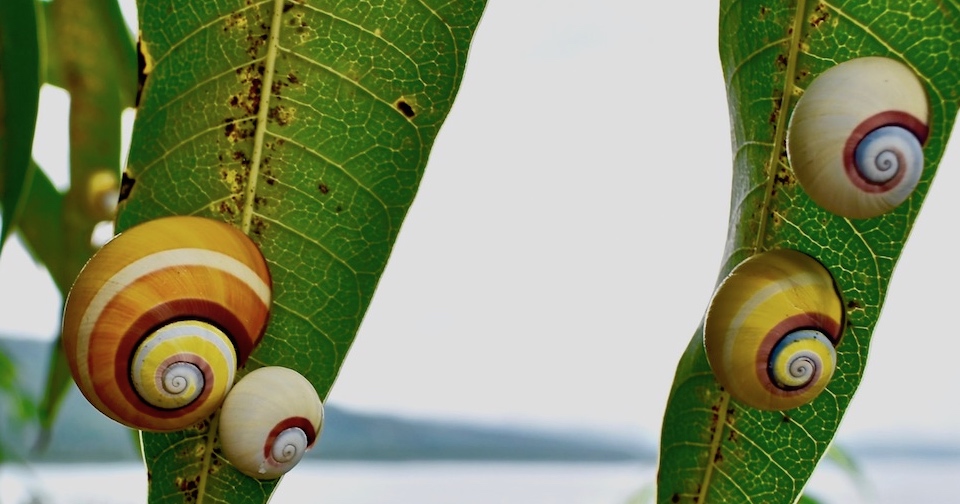
It is endemic to easternmost Cuba and it’s an endangered species: we invite you to help protect it by refraining from purchasing the shells.
Entering the Canyon – Access to the Protected Area
To enter the canyon, you must show up at the protected area’s Visitors Centre. An official guide will be assigned to you, who will hike with you while offering you an interesting interpretation of the local nature, history, and culture.
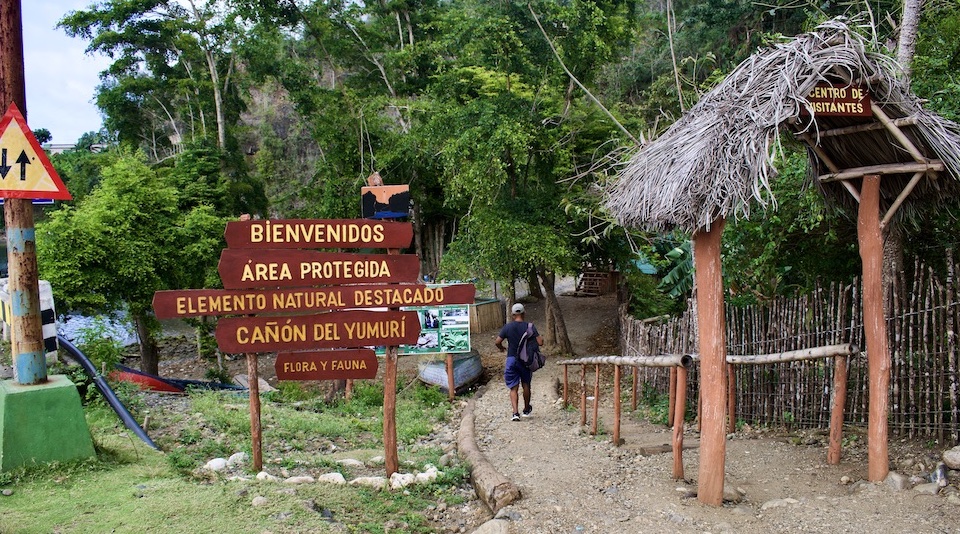
At the same place, you will be presented with the options for your visit. They include a brief boat ride, a bath in the river’s natural pools, hikes of various lengths, a longer excursion to the Belete Waterfalls, or a demanding trail that combines discovering the local farming culture, followed by the canyon’s nature.
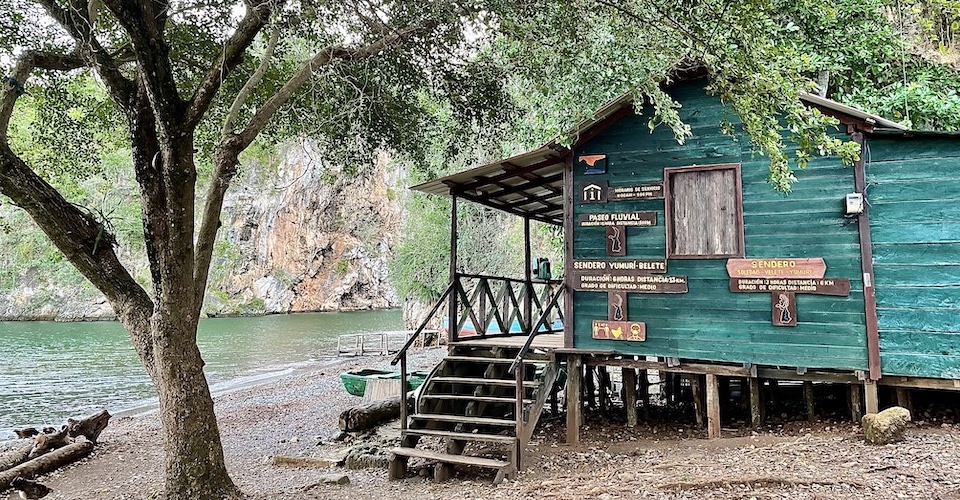
The most frequent choice among visitors consists of a brief boat ride and short walk into the canyon.
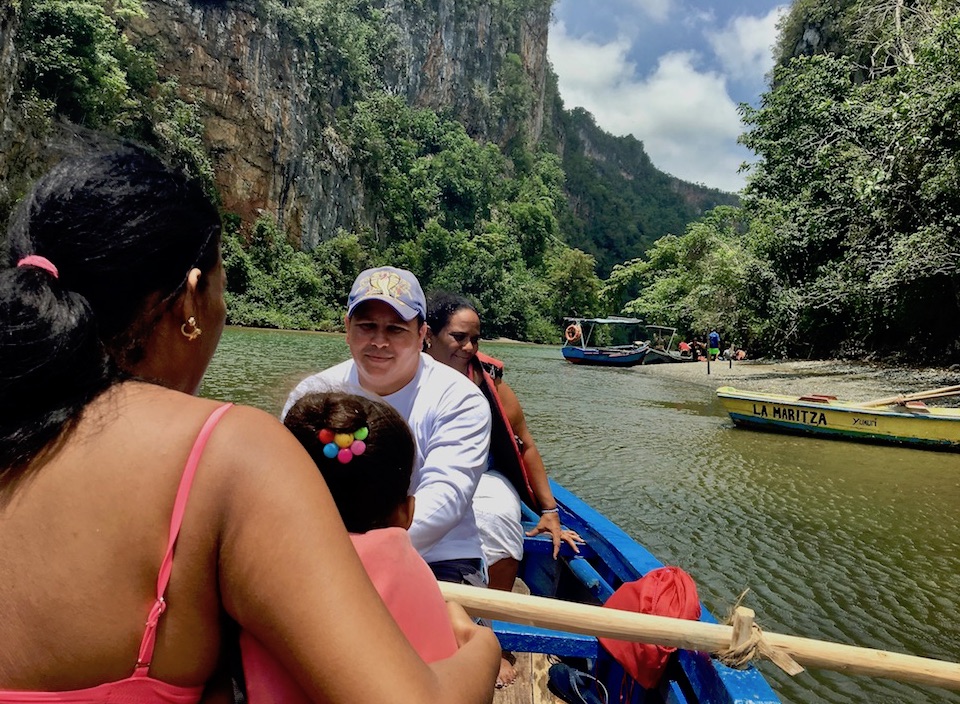
This is quite a charming option allowing you to observe cool birds or butterflies, and it offers you a nice glimpse of this scenic place.
Yet, several of our guests have felt a bit underwhelmed by the experience and were left wishing for a deeper experience.
Going Further – A Moderate Hike and a Bath in The River Waters
If you feel like exploring the canyon a bit more, you can undertake a short or mid-length hike. This could be a 15 minutes, 30 minutes, or 40 minutes’ walk – it’s your choice!
A narrow trail makes its way underneath palms and various types of local trees, surrounded by ferns and medicinal plants… The shaded environment and the constant murmur of the river flow make this hike one of the most pleasant in Baracoa.
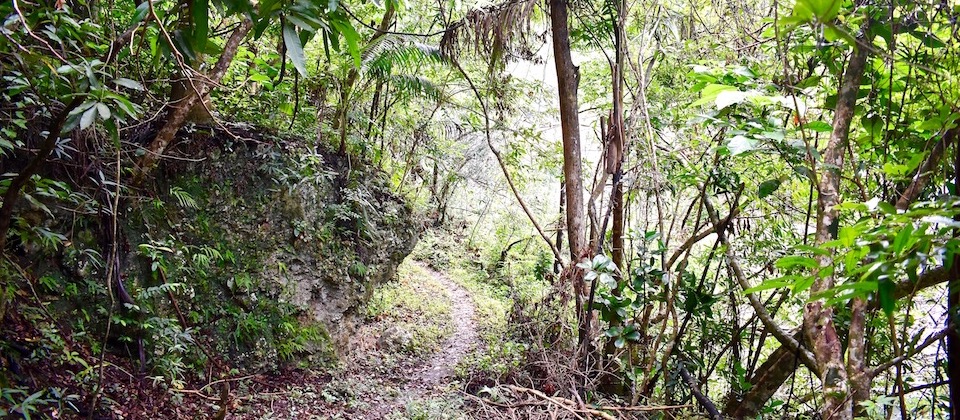
In this area, you will get to know certain aspects of the canyon’s history. Your guide will show the remains of the old funicular once used for the banana trade. The export of that fruit to North America was Baracoa’s main economic activity for several decades between the 19th and 20th centuries.
The weather is hot in eastern Cuba, and you will probably want to reach the best bathing areas in the river. The waters there are a beautiful emerald colour. The natural pools are surrounded by large rocks, some of them 3 meters-tall (10 ft), from which you can dive into the river.
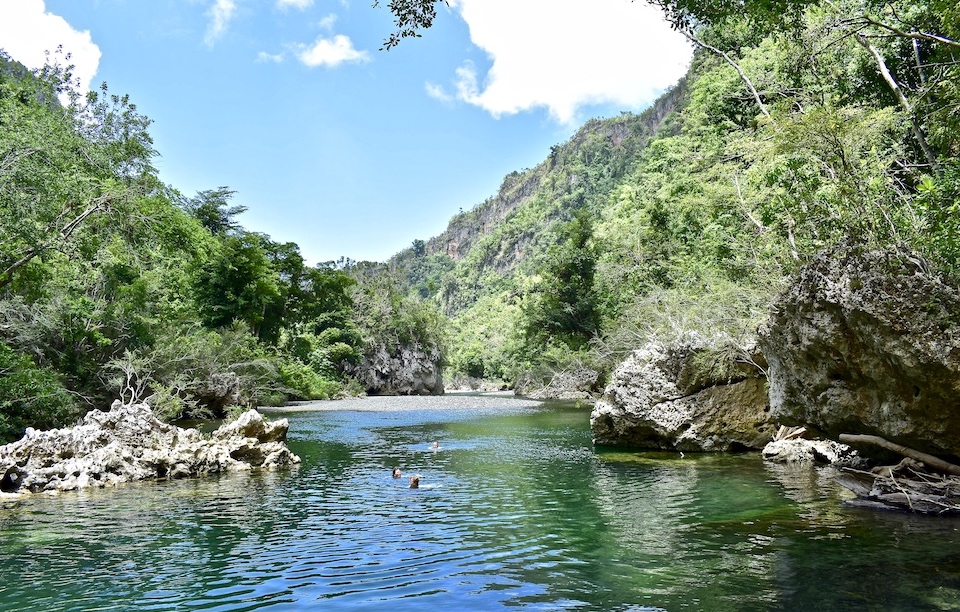
Usually, local guides take you to the first natural pool along the trail. It’s quite near to the starting point, but it’s not the nicest one, really. We recommend asking the guide to take you to the second or the third pool just a bit further down the trail – both are way nicer and more pleasant in our opinion.
Medicinal Plants in the Yumuri Canyon
A lot of the plants and trees you will come across have medicinal properties. Over the centuries and thanks to the region’s indigenous and African roots, local folks have developed a deep knowledge of the flora. Expect your guide to offer you various types of leaves to taste!
The tree species in the canyon include the ocuje (Calophyllum antillanum). Its resin is used on skin to avert tetanus after rusty metal cuts, or to treat recent skin burns. Ocuje inner bark infusions are used to treat chronic colds and to trigger expectoration.
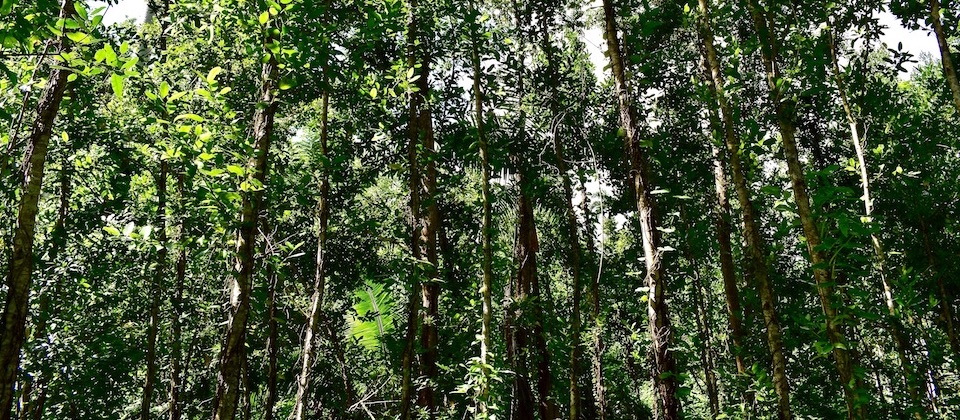
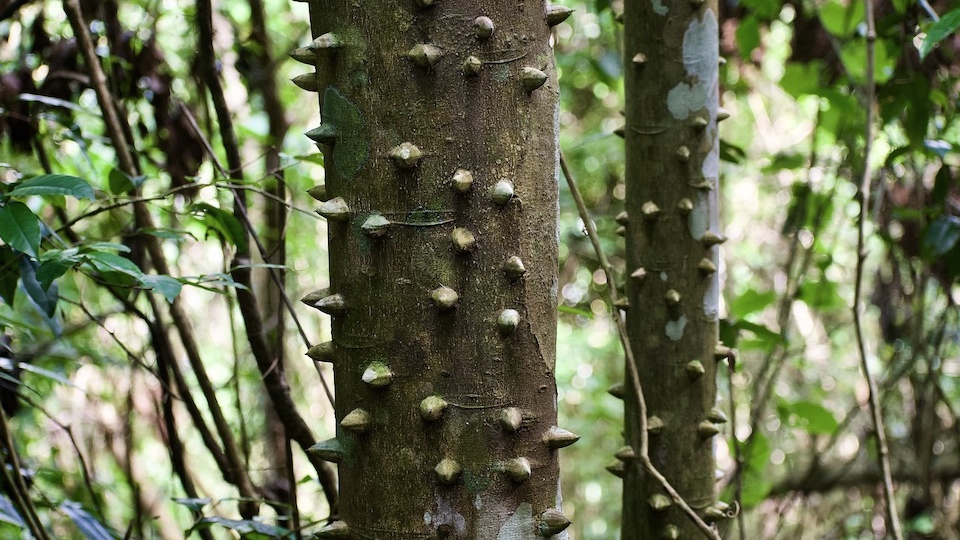
Another tree you can find at the canyon is the ayúa (Zanthoxylum martinicense). It has thick, conical/pyramidal thorns. The ayúa too has different medicinal uses, many of them based on the bitter bark: to control fever, diarrhea, ulcers, tooth ache…
In total, the Yumurí Canyon Protected Area has 112 species of medicinal plants, and 95 species of melliferous plants.
Are You a Good Observer? Prepare to See these Bird Species!
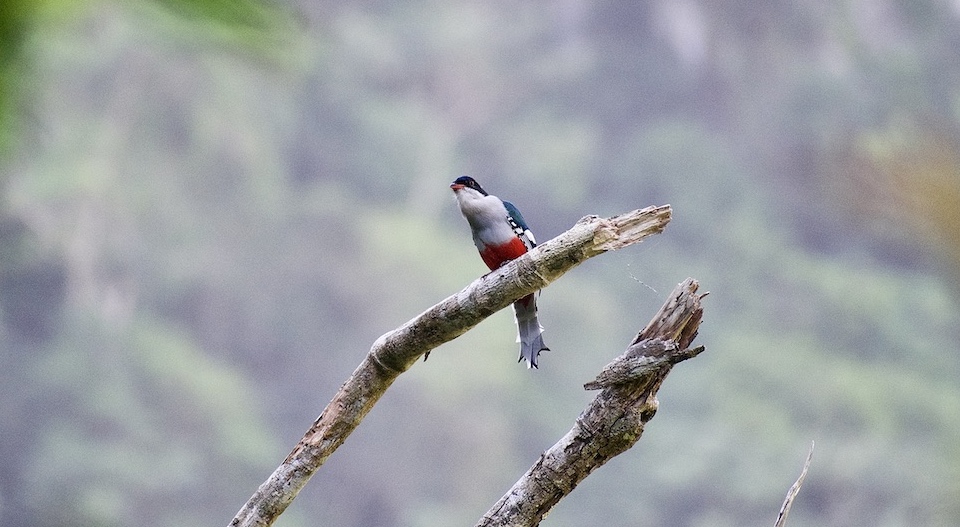
Bird-watching adepts will enjoy a lot their hike into the Yumuri Canyon. Some of the birds you can spot here include the Tocororo (Cuban Trogon, Priotelus temnurus, our national bird) and the Cartacuba (Cuban Tody, Todus multicolor), both super charming – and endemic to Cuba.
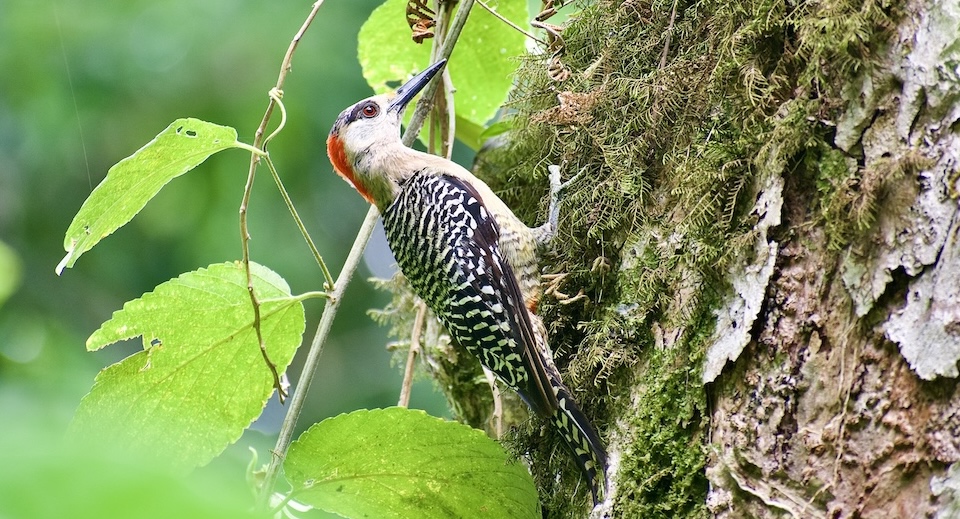
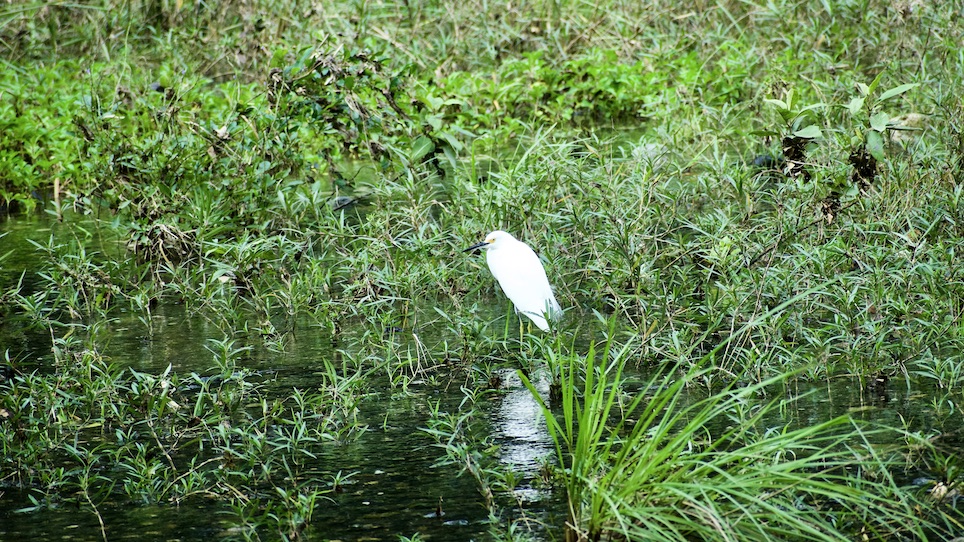
The West Indian Woodpecker (Melanerpes superciliaris) is also quite common, a species unique to Cuba and the Bahamas. And as is usually the case in zones with abundant water, one can frequently see egrets and herons of various kinds.
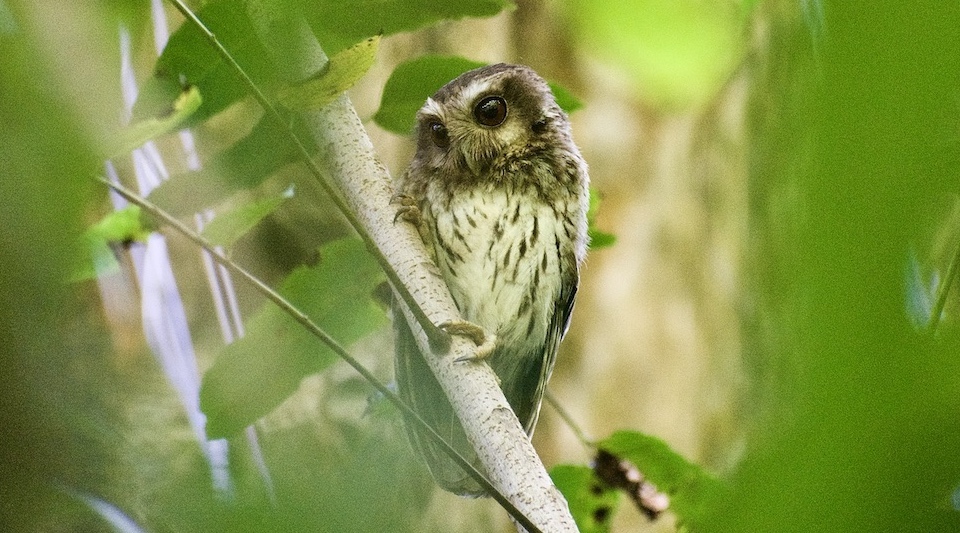
Another bird that is more difficult to see, given their nocturnal habits, is the cute and secretive Bare-legged Owl (Margarobyas lawrencii), another Cuban endemic species.
The Flora Riches of Yumurí Canyon
Palm trees, ferns and a wide range of plant species await at the canyon. The presence of the river and the abundant rains (yearly levels between 1,900 and 2,500 mm) lead to a significantly high level of relative humidity in the area (81.5%). This favours the lush greenery around you.
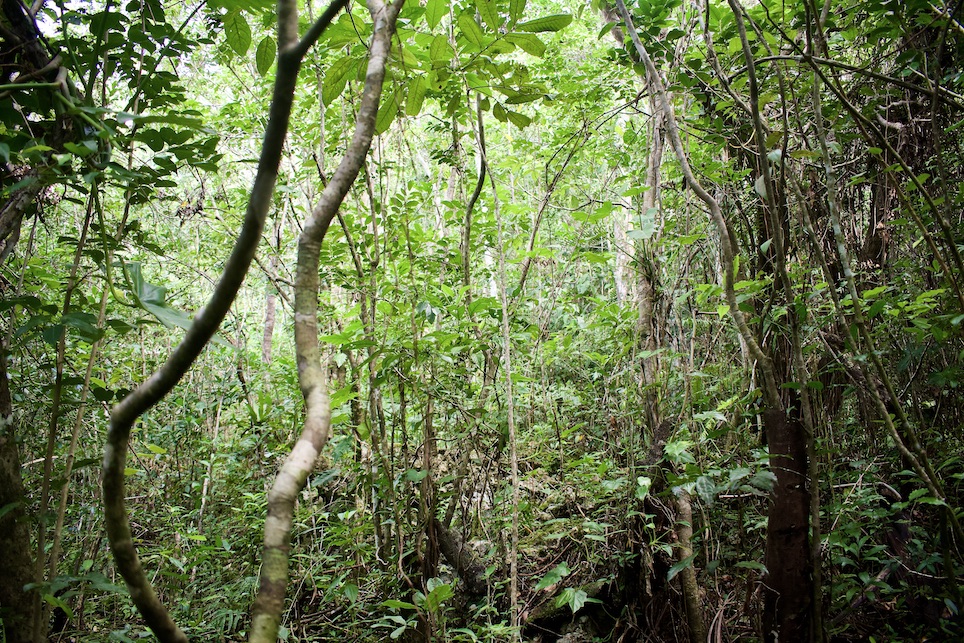
The flora species you’ll discover include Gesneria purpurascens, as well as other members of the gesneriads’ family, and Siphocampylus yumuriensis, a local endemic plant.
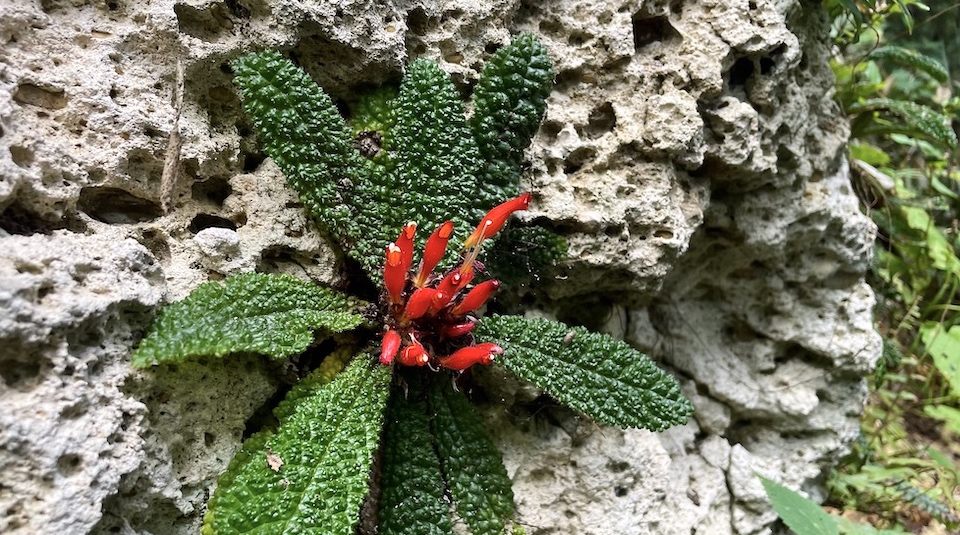
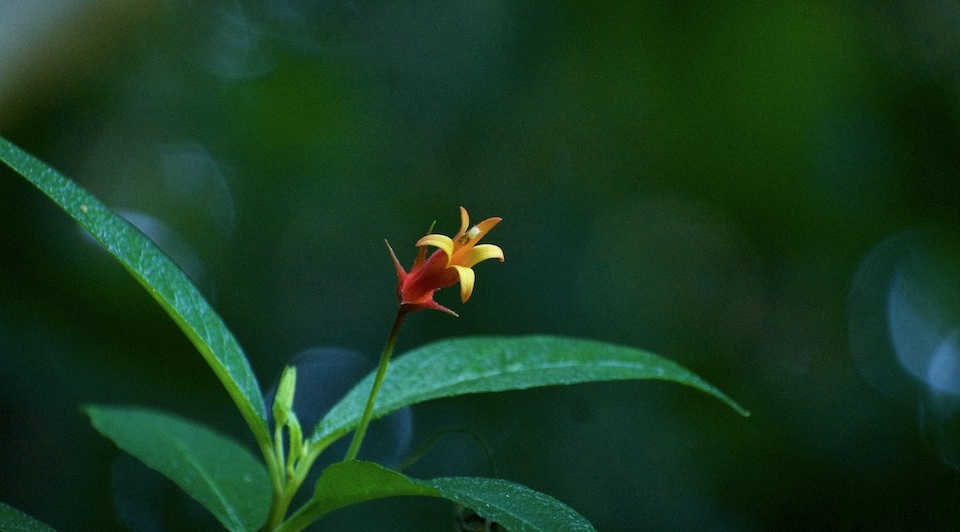
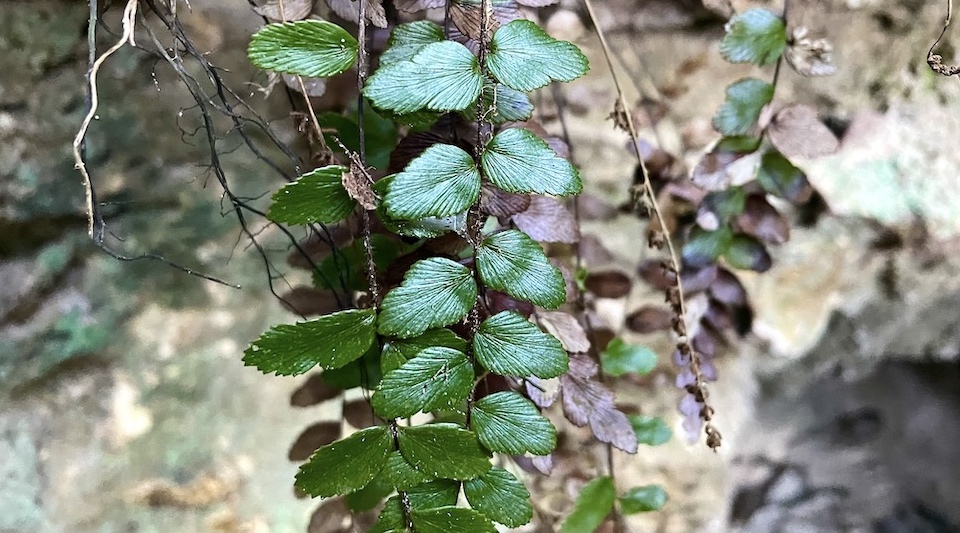
Some species are threatened and at risk of extinction. Amongst them, the Anemia abbottii small fern. While it also exists in Hispaniola (the island encompassing Haiti and the Dominican Republic), in Cuba it is only found in the Guantánamo province. It is very rare and strictly circumscribed to the Yumurí Canyon.
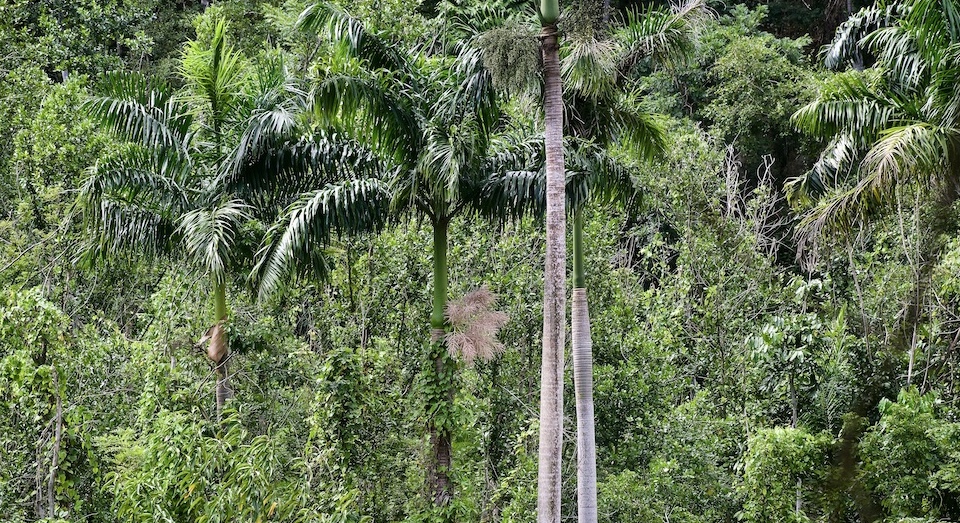
An emblematic palm tree of Maisi, the equally threatened Palma Azul (Roystonea violacea) can be seen festooning both shores of river Yumuri. It is endemic not to Cuba, but to this region. Fortunately, it is relatively easy to see if you go for a deeper hike into the canyon, near the Belete Biological Station.
Biodiversity and Strict Conservation in the Yumuri Canyon
Recent management plans for the Yumuri Canyon Protected Area have identified several highly vulnerable plant and animal species as the targets of enhanced conservation efforts. They include the above-mentioned Palma Azul (Roystonea violacea).
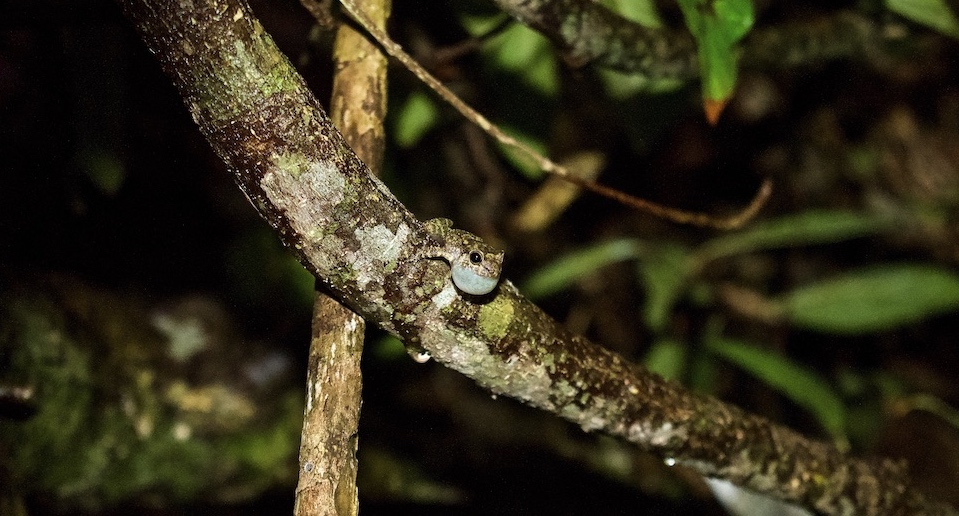
Other species requiring particular care, and which are particularly difficult to see without appropriate guiding, include the Boca de Yumuri Frog or Barton’s Robber Frog (Eleutherodactylus bartonsmithi), which measure only 26 mm (the females) and 21 mm (the males). This tiny arboreal frog was found for the first time at the mouth of the Yumuri Canyon but has since been documented in other areas in our province.
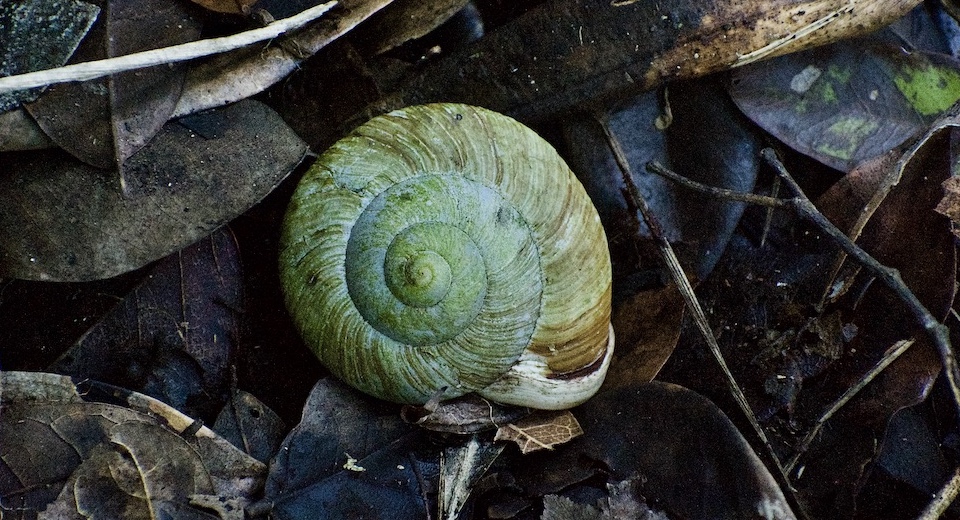
The Yumuri Canyon is the last stronghold of the Polydontes imperator land snail. Until recently, it was thought to be extinct. Currently, its conservation status is Critically Endangered, given its extremely small geographical distribution and environmental (climate, weather) and human (habitat alteration) pressures affecting it.
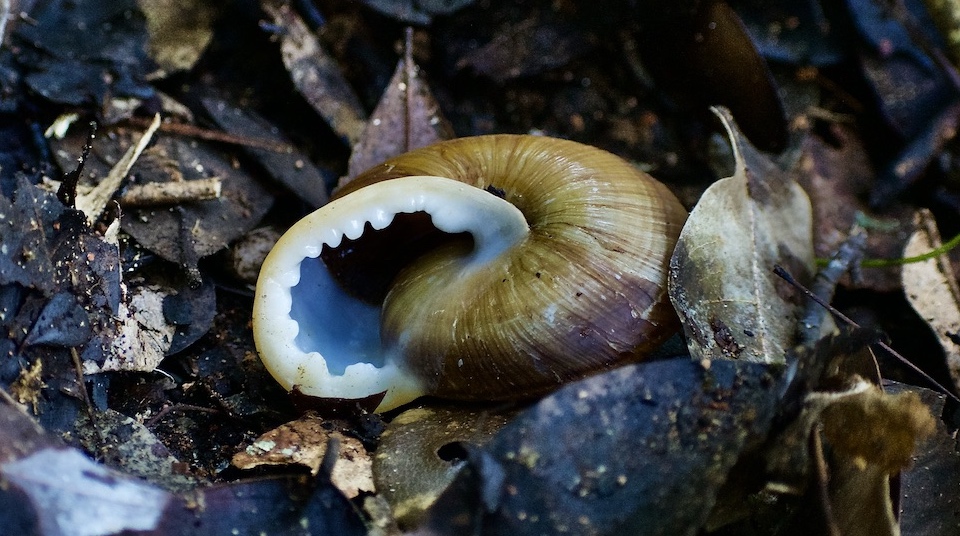
In this picture, you can appreciate the “teeth” that give the genus Polydontes its name.
Another Critically Endangered land mollusc is the fulminata variety of Polymita picta nigrolimbata. Its geographical area has been significantly reduced and, over two decades, there were no scientifically validated records of this snail. That was the case until 2018, when farmers living in the Yumuri Canyon buffer zones detected it again.
Archaeology in the Yumuri Canyon
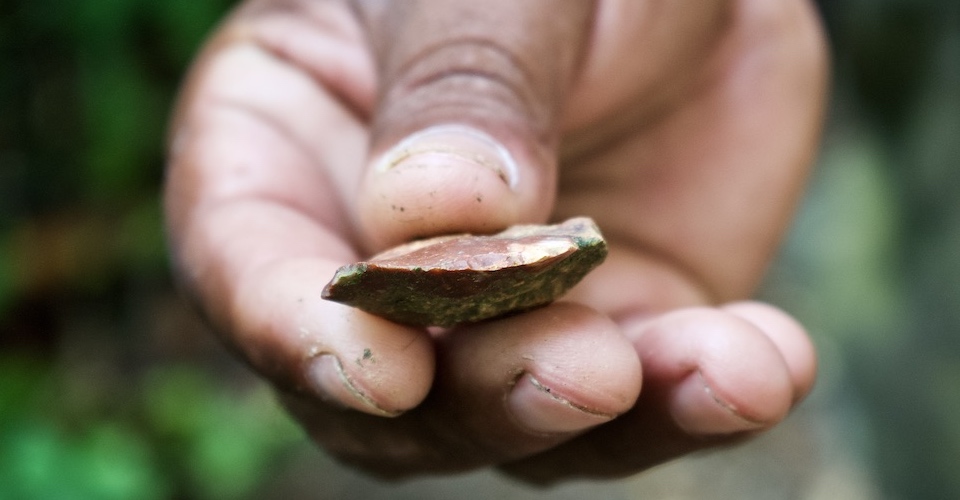
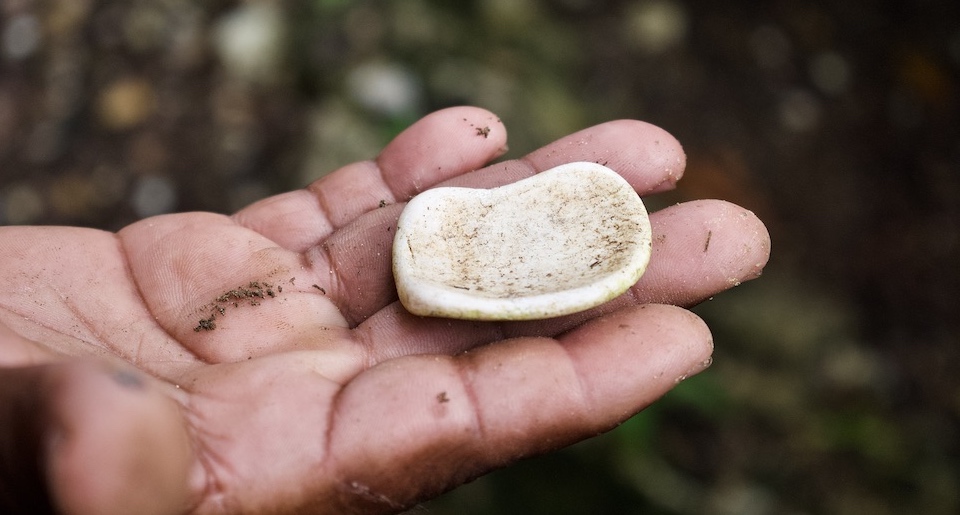
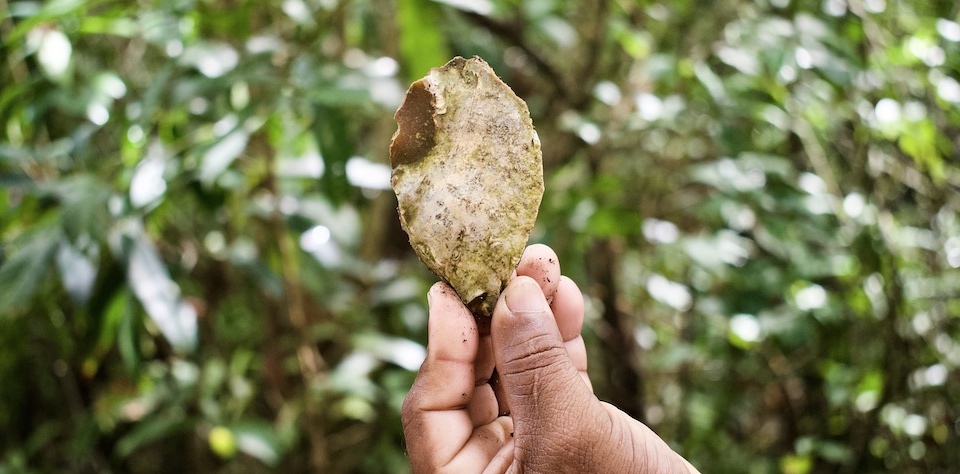
Besides the historical remains from the time of banana production and exportation we mentioned above, the protected area has strong evidence of ancient Taino settlements. It includes pieces of artifacts such as pottery and tools that were used by the Taino people before the arrival of the Europeans.
The Full Adventure in Yumuri Canyon – All the Way to the Belete Waterfalls!
For those who would like a full hiking experience, the six-hours excursion to the Belete waterfalls is heaven. The waterfalls are located some 7km from the canyon’s mouth (for a 14km round hike).
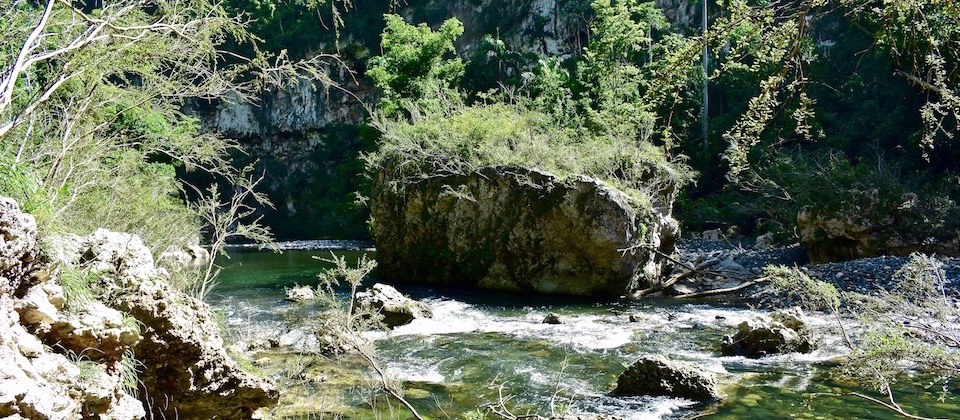
This long walk will have you wade into the river to cross it several times – great opportunities to cool down! Over the last kilometer, you will follow along a smaller water stream and into a ravine.
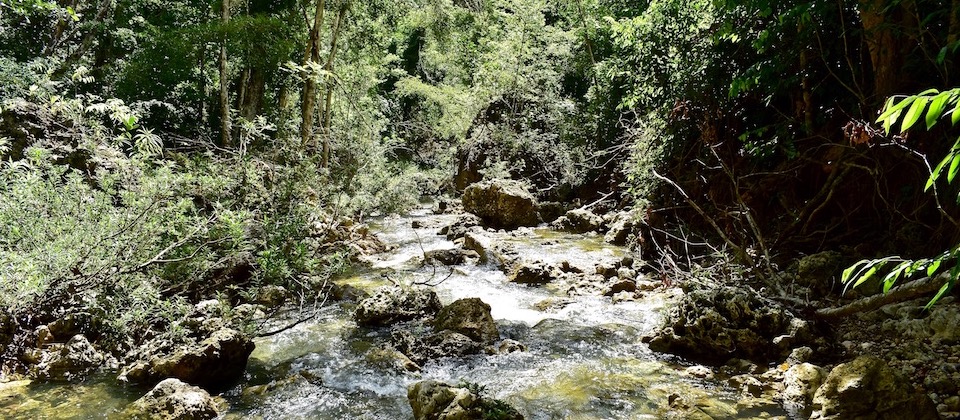
As you make your way between steep, high cliffs, the flora around you will be a denser tropical rainforest. The trail almost disappears and you make your way caressed by the wet leaves of plants and trees. You will become totally drenched!
Then, at the end, the waterfalls will appear before you! Beautiful, clear streams fall some 20 meters into a natural pool surrounded by rocks and trees.
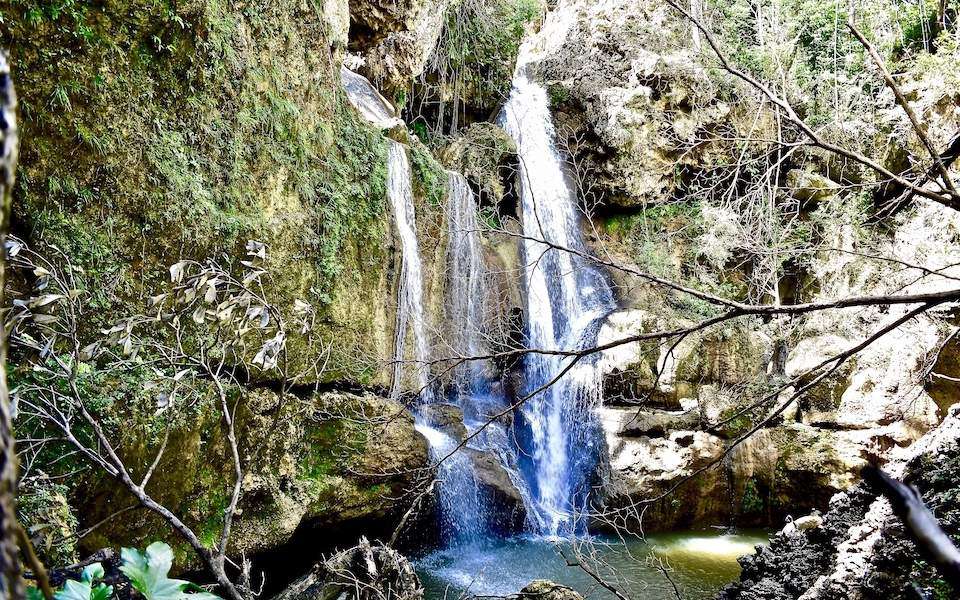
Just dive into the water! Then spend as much time as you want simply taking in the wonderful place until you decide to undertake the 7 km back to the starting point.
If you wish, a farmer family can serve you a traditional lunch for you right after your time at the waterfalls. Thus, you could share some time with the kind local folk and recharge energy for the walk back. Please inform your guide at the onset so he can make arrangements.
As you return to Boca de Yumuri, take your time to enjoy the different angles of the canyon you’ll see – we guarantee your camera won’t be idle!
Specialized Excursions in the Yumurí Canyon
If you are particularly interested in some of the rare flora and fauna species, or in the archaeological aspect of the protected area, you should contact a senior official specialist with the canyon’s conservation staff. We recommend contacting Leandro Galano Machado (+53 55302864) to help you plan a specialized excursion.
Agriculture and Nature – the Soledad-Belete-Yumuri Hike
If you’re looking for another long and demanding hike, the Yumuri Canyon Protected Area also offers an excursion combining the rural community of Soledad de Mandinga and the canyon. It’s a very interesting and stimulating hike that still offers you the nature experience but starts with more of a human, agricultural focus.
Coda – Cycling from Baracoa to Yumuri? Why not!
This ride is pure candy for cycling lovers. It’s a total of 56 km round trip, but the scenery is simply beautiful. Some segments include a few long uphill stretches, but the last 15 km are quite flat, and on the final 4 km you go right by the sea – beaches, boulders, cliffs… Amazing!
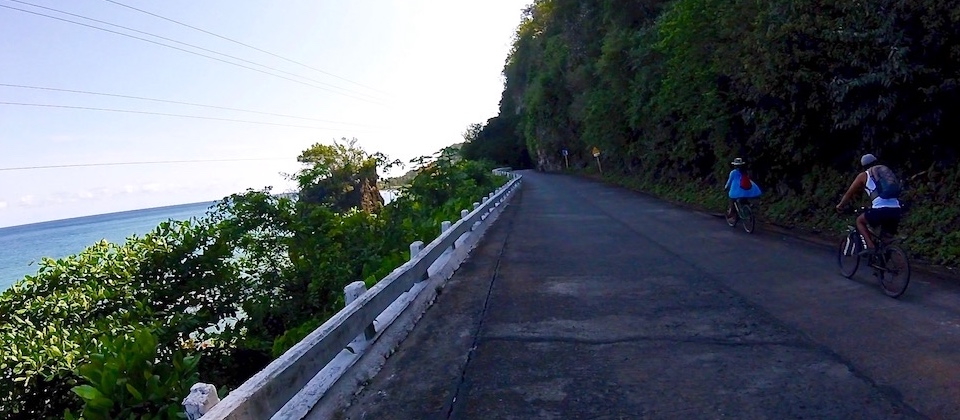
Villa Paradiso offers its guests complimentary cycling maps to the region. We invite you to learn more about cyclotourism in Baracoa.
After Your Hike – Another Mirador, Where to Have Lunch… and A Nice Beach!
When you come out of the canyon you will surely want to have lunch. You will also have time to discover new panoramic views and enjoy a nice beach before returning to Baracoa.
Do not miss the Mirador del Silencio, roughly 1 km from the canyon’s mouth, on the new road towards Maisi. It is located at the top of a cliff, 120 meters above the sea. You will enjoy the coastline views stretching westward, with mount El Yunque in the distance.
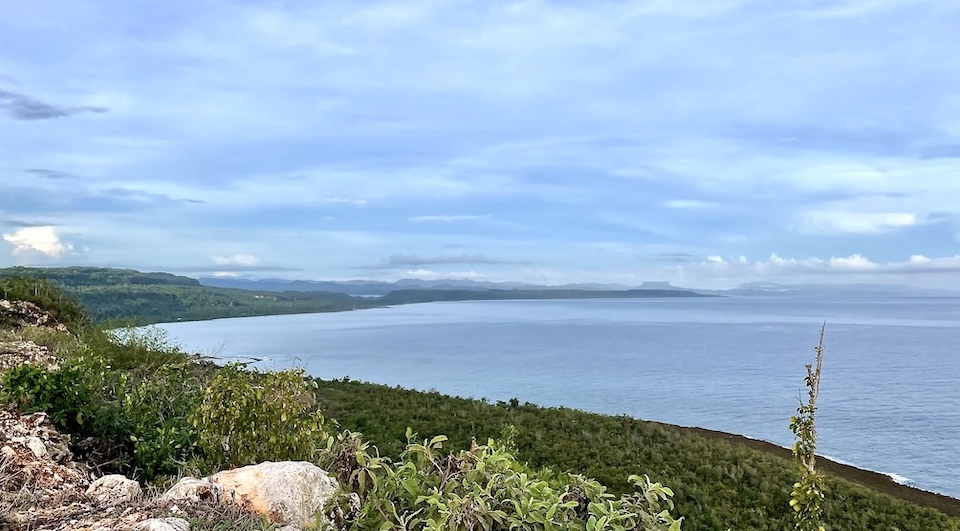
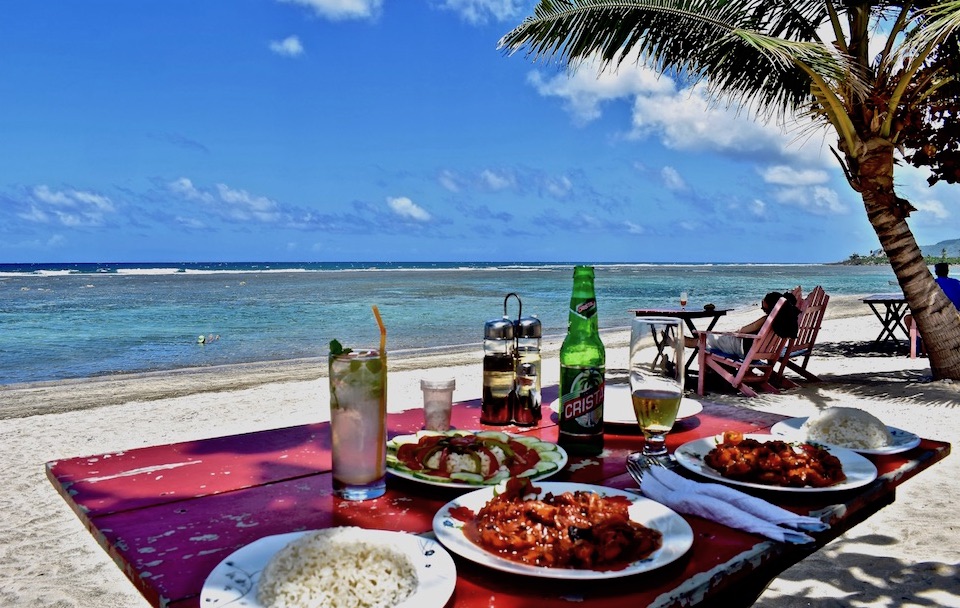
You can have lunch right at the mirador, which has a small restaurant highly appreciated by both Cuban and international visitors. Another option is at Boca de Yumurí, at Maryanis’ home, where she serves super good dishes with traditional flavours.
And the other option is at El Manglito beach, where Tato’s restaurant serves incredible dishes and cocktails.
Did You Know?
The Yumuri Canyon Protected Area was created in 2004. It is administered by Cuba’s Empresa Nacional para la Protección de la Flora y la Fauna.
From a geological point of view, 85% of the protected area’s territory is composed by limestone dating back to the Eocene.
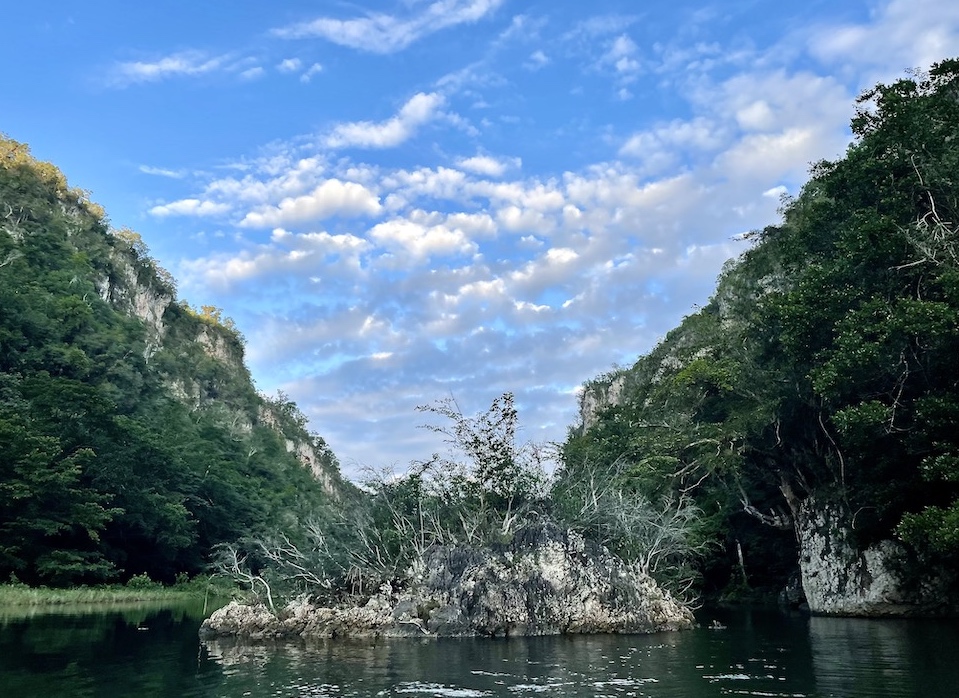
Running for centuries along a fault in the rocky terrain, river Yumuri’s waters brought about a slow erosion process that formed the deep canyon.
The most prevalent type of soil in the canyon is shallow skeletal soil (lithosol), covered by a rich vegetation. The protected area’s staff has documented 78 botanical families, 226 genera, and 315 species. Forty-five of the latter are endemic to Cuba, the region, or the locality.
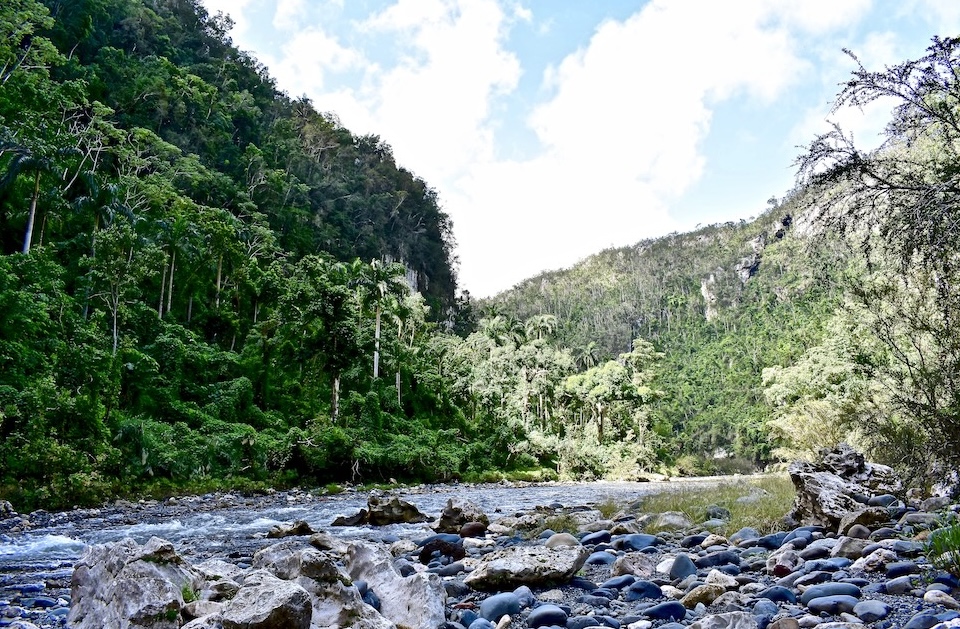
The protected area has a Biological Station, a rustic, very basic ecolodge, and a Visitors Centre.
The human communities in the buffer zones are dedicated to farming activities. Their main crops are plantains, taro root, corn, beans, coffee, coconut, and cacao, and there is as a range of fruit trees too. Local farms include cooperatives and family-owned properties.
Practical information and budget details
- The Yumuri Canyon is located 28 km SE from Baracoa. There is an admission point (Visitors Centre) at the entrance to the protected area, at Boca de Yumurí, where you pay your admission fees. A guide is assigned to you – this service is included in the entrance fee, as well as the rowing boat service to take you into the canyon.
- The entrance fee varies depending on the type of activity/hike you choose:
- 150 CUP per person for the boat ride.
- 230 CUP per person for the hike to the natural river pools.
- 550 CUP per person for any longer hike into the canyon, including the longest one to the Belete Waterfalls.
- 600 CUP per person for the Soledad-Belete-Yumuri agro-ecological trail.
- A taxi for the day from Baracoa charges around 30 USD/EUR for two people, 35 USD/EUR for 3, and 40 USD/EUR for 4 people.
- The boat ride combined with a brief stay by the river lasts 30 to 45 minutes at the most. The short to moderate hikes vary, but if you decide to enjoy bathing in the river, you may end up spending anywhere between 2 and 4 hours (it’s your call, the guide will wait for you). The longer hike to the Belete Waterfalls takes between 6- and 7-hours total, depending on your pace, the number of stops you make for pictures or to get some rest, the time you spend at the waterfalls.
- The specialized excursions focusing on rare flora or fauna species, or in the archaeological aspects of the canyon, must be programmed in advance by contacting Leandro Galano Machado (+53 55302864), a senior conservation specialist at the Yumuri Canyon.
- If you go to the Belete waterfalls, make sure to wear appropriate hiking shoes (some stretches are rocky and quite slippery) and bring enough water to drink and something to eat (sandwiches, fruit, typical local treats such as coconut cucuruchos or almond brittle, etc.).
- In the context of any of the excursions, you will have to cross the river one or more times. If you don’t wish to get your shoes all wet, and if your feet are not accustomed to walking on river stones and pebbles, you may want to also bring flipflops or water shoes.
- Polimita snails are endangered. If local folks offer you necklaces or other objects made from the snail shells, please refuse to buy them. There are other handcrafts, fruits, etc. you can buy from them if you want to support community members’ income so they can benefit from a more sustainable tourism in the region.
- If you decide for a shorter exploration of the canyon, your itinerary for the day could start with a short visit to Finca Las Mujeres – a small, family-run organic cocoa farm. And after Yumuri, you may spend the afternoon at El Manglito beach. The price for the taxi for this itinerary remains the same as for a simpler Baracoa-Yumuri and back trip, and the driver follows your instructions and stops and waits for you wherever you want.
- The visit to Finca Las Mujeres is free. The women there will offer you a nice talk about growing, harvesting and processing cocoa into chocolate. There is also a tasting of locally produced cacao beans and chocolate. At the end, you can buy some of their excellent cocoa products – a nice way to support this family.
- At El Manglito beach, you can have a nice meal at Tato’s restaurant – fresh fish or seafood (or veggies!) right by the sea. Dishes may range between 2,500 and 3,500 CUP, depending on what you order. There’s snorkelling as well at El Manglito. Bring your gear – or rent it there for around 5,000 CUP.
- Renting a good bicycle for the day in Baracoa costs between 8 and 10 USD/EUR. Villa Paradiso can refer you to a local family who rents bikes.
- Don’t hesitate to check out our post on the best hikes and trails in the Baracoa region.
Sources Used and Recommended Reading
We are grateful to Leandro Galano Machado, Yumuri Canyon conservation specialist, and Romairis Durán and his family at the Biological Station, for having enriched our experience during our various explorations of the protected area over the years. We also thank the Empresa Nacional para la Protección de la Flora y la Fauna.
This blog post shares some data taken from the following publications:
- Acevedo-Rodríguez, Pedro & Mark T. Strong (2012), Catalogue of Seed Plants of the West Indies, Smithsonian Institution Scholarly Press, Smithsonian Contributions to Botany no. 98, Washington D.C.
- Clark, John L., Matos, J., Suárez Terán, S., et al. (2013), “An Annotated Species List for the Gesneriaceae of Cuba”, in Selbyana, 31(2): pp. 186-227.
- Díaz, L.M. y A. Cádiz, Guía taxonómica de los anfibios de Cuba, Abc Taxa, Volumen 4 (2008), Bélgica, 294 pages.
- Empresa Nacional de Protección de la Flora y la Fauna, Equipo del Cañón del Yumurí: Plan de Manejo del Elemento Natural Destacado Cañón de Yumurí (2020-2024), Baracoa, Guantánamo, 108 pages.
- Espinosa Sáez, José y Larramendi, Julio A, Las polimitas, Ediciones Polymita (Guatemala) y Ediciones Boloña (La Habana), 2013, 199 pages.
- Fernández Rubio, Elexis (2013): Baracoa y su espacio marítimo portuario. Editorial El Mar y la Montaña, Guantánamo, 126 pages.
- Floirián, José Enrique (2015): Patrimonio cultural y natural de Baracoa. Editorial El Mar y la Montaña, Guantánamo, 136 pages.
- González Alonso, H. (Ed.) y Larramendi, Julio A. (Fotografía), (2007). Biodiversidad de Cuba. Ediciones Polymita, Ciudad de Guatemala, 321 pages.
- González Torres, L.R., Palmarola, A., González Oliva, L., Bécquer, E.R., Testé, E. & Barrios, D. (Eds.) (2016). Lista roja de la flora de Cuba. Bissea 10 (número especial 1), 352 pages.
Activities, Baracoa, Sustainable Tourism
Tags: Adventure Tourism, Birdwatching, Cyclotourism, Ecology, Forests, Hiking, Natural Medicine, Nature Tourism, Rivers

Recent Comments
Beautiful place! We’ve visited last October and it was the best highlight of our time in Baracoa! So peaceful the inside of the canyon!
Marta & Max | https://www.connectedhorizons.co.uk
Hi Marta & Max! Thank you – it is very peaceful in the Yumurí Canyon indeed, and it offers lots of wonderful views as well as endemic flora and birds to those who venture deep into it! The key is having the right guide – we connect our visitors with very knowledgeable, experienced and multilingual ones and they all come back very happy after their excursion! All the best from Cuba to the UK!